
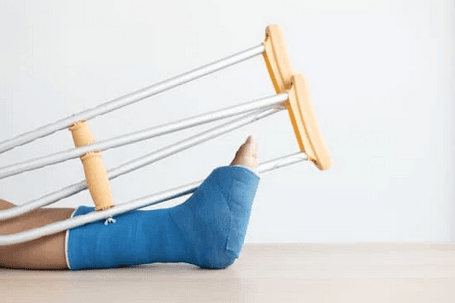
Many people may experience foot fractures or severe tendon tears, necessitating the use of a foot cast as an effective treatment. But what are the details of this procedure? And why might the foot change color after casting? Read on to discover everything you need to know about foot casting.
Reasons for Using a Foot Cast
A foot cast is used to treat a variety of injuries and medical conditions affecting the bones and joints in the foot and ankle. The most common reasons include:
- Bone Fractures: A foot cast is one of the most common solutions for treating foot bone fractures. It helps immobilize the broken bones, preventing movement and promoting proper healing.
- Ligament Tears: In some cases, a cast may be necessary to stabilize the foot when there is a ligament tear caused by sports injuries or accidents.
- Surgical Procedures: After certain surgeries on the foot or ankle, a cast may be used to stabilize the area and prevent unwanted movement during the recovery period.
Types of Foot Casts
There are two main types of casts used for foot casting:
- Traditional Plaster Cast: Made of gauze containing calcium sulfate, it's more affordable than fiberglass casts but heavier.
- Fiberglass Cast: Lightweight and water-resistant, which makes movement easier and enhances comfort during treatment.
Duration of Using a Foot Cast
The duration of cast use varies based on the severity of the injury and the type of fracture or tear. Typically, the cast may be used for 4 to 8 weeks, but some severe injuries may require a longer period.
Tips During Foot Casting
- Avoid Putting Weight on the Cast: Use crutches for movement if advised by the doctor.
- Elevate the Foot: Raising the foot helps reduce swelling in the early days.
- Keep the Cast Clean: If the cast gets wet, consult your doctor.
- Monitor Symptoms: Watch for any changes such as swelling or severe pain.
How to Recover After Removing the Cast
After removing the cast, patients may need a rehabilitation period to regain strength and normal movement in the foot. Recovery steps include:
- Physical Therapy: The doctor may recommend physical therapy sessions to help strengthen muscles and restore flexibility.
- Gradual Movement: Avoid sudden return to strenuous activities. Gradually resume daily activities.
- Supportive Footwear: Medical or supportive shoes may be necessary to provide comfort and stability during recovery.
In conclusion, a foot cast is one of the most common solutions for treating fractures and injuries, and it is essential to follow medical guidelines to ensure a fast and safe recovery. If you're suffering from a foot injury or need medical consultation, don't hesitate to Visit Able Clinics book an appointment with a specialist to receive the necessary care and speed up the healing process.
FAQs
Why is a Foot Cast Used?
A foot cast is used to treat conditions involving fractures or tears in the bones of the leg or ankle, or even in cases of severe sprains. The goal is to keep the bone aligned for proper healing. The doctor uses X-rays to diagnose the condition and determine the best treatment.
How is the Foot Cast Applied?
The foot casting process involves several steps. First, a cotton sock is placed around the area to be casted, followed by wrapping with cotton gauze to protect the skin. The cast is then applied, which typically takes 10 to 15 minutes to dry and a day or two to fully harden.
How is the Cast Removed?
The treatment period can last from several weeks to months, depending on the severity of the fracture. The cast is removed using a special electric saw designed to do the job without harming the skin.