
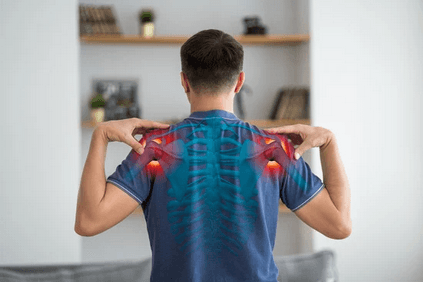
The shoulder is one of the most complex joints in the human body, with high flexibility that allows for a wide range of motion. The shoulder joint consists of three main bones: the humerus (upper arm bone), the scapula, and the collarbone. These bones are connected to each other through a group of ligaments and tendons that ensure the stability of the joint and support its movement.
Shoulder Anatomy
The shoulder consists of several main components:
- Humerus: The large bone that forms the upper arm.
- Scapula: The flat bone that lies at the back of the shoulder and provides a surface for muscle attachment.
- Clavicle bone: The long, thin bone that connects the shoulder blade to the sternum.
- Muscles: The shoulder includes a group of muscles that control its movement, such as the rotator cuff muscles that support joint stability.
Shoulder Functions
The shoulder is responsible for a wide range of movements that allow the arm to rotate, lift objects, and perform various daily activities. Thanks to its unique structure, the shoulder can move in almost all directions, making it a multifunctional joint.
Shoulder Diseases and Injuries
The shoulder may be exposed to a number of diseases and injuries that may affect its functions, including:
- Shoulder Dislocation: As discussed in a previous article, it occurs when the humerus comes out of its socket in the scapula.
- Tendonitis: It occurs as a result of inflammation of the tendons that connect muscles to bones, often resulting from overuse or repetitive movements.
- Rotator Cuff Tear: A common injury among athletes and the elderly, it occurs when one of the rotator cuff tendons tears.
- Arthritis: It causes erosion of the cartilage that protects the bones inside the joint, leading to pain and difficulty moving.
- Frozen Shoulder: A condition characterized by stiffness and pain in the shoulder joint, which limits its range of motion.
Prevention and Treatment
To prevent shoulder injuries and maintain its health:
- Exercising regularly: to maintain the strength and flexibility of the shoulder muscles.
- Avoid excessive and repetitive movements, which may lead to tendinitis or rupture.
- Use correct weightlifting techniques: to avoid shoulder strain.
If you have shoulder pain or injury, treatment can include the following:
- Rest and physical therapy: to relieve pain and promote recovery.
- Pharmacological treatment: such as non-steroidal anti-inflammatory drugs to relieve pain and swelling.
- Surgery: May be necessary in severe cases such as a rotator cuff tear or advanced arthritis.