
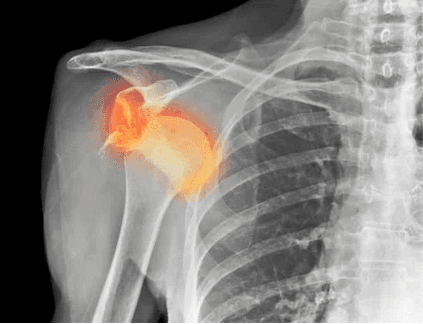
Shoulder dislocation is an injury that occurs when the upper arm bone (humerus) comes out of the shoulder socket that serves as its base. The shoulder joint is the most flexible in the body, making it particularly vulnerable to dislocation.
If you suspect you have a shoulder dislocation, it is essential to seek medical care immediately. In general, most people are able to regain full shoulder function within several weeks, but injury may make the joint more susceptible to recurrent dislocation.
Symptoms
Symptoms of shoulder dislocation include:
- The shoulder is deformed or out of its normal place
- Swelling or bruising in the area of injury
- Severe pain accompanied by difficulty moving the joint
- A feeling of numbness, weakness, or tingling near the site of the injury, such as the neck or lower arm
- Spasms in the shoulder muscles, which increases the severity of the pain
When Should You Visit a Doctor?
It is essential to seek immediate medical help if you suffer a shoulder dislocation. While waiting to receive medical care, follow these tips:
- Avoid moving the joint. Immobilize the shoulder joint in its current position using a splint or sling
- Use ice to reduce pain and swelling
Reasons
The shoulder is the joint most susceptible to dislocation due to its high flexibility. Shoulder dislocation can be caused by:
- Sports injuries: such as those that occur in contact sports (football, hockey) or sports that involve falling (skiing, gymnastics)
- Physical trauma: such as traffic accidents or strong shocks
- Falling: from stairs or by tripping
Risk Factors
Anyone may experience a shoulder dislocation, but the most vulnerable group includes:
- People in their teens and twenties
- Athletes who participate in contact sports
Complications
Complications of shoulder dislocation may include:
- Tearing of the muscles, ligaments, and tendons that support the joint
- Damage to the nerves or blood vessels surrounding the shoulder
- Recurrence of dislocation, especially if the injury is severe
Prevention
To prevent shoulder dislocation, follow these tips:
- Avoid falls and possible shoulder injuries
- Wear protective equipment when playing contact sports
- Exercise regularly to maintain the strength and flexibility of your joints and muscles
Treatment and Recovery
Shoulder dislocation treatment can include:
- Rest and physical therapy: to help the shoulder return to position and promote recovery
- Medications: to relieve pain and swelling
- Surgery: In severe or recurring cases, surgery may be necessary to repair damaged ligaments and tissues
By following the right tips and precautions, you can reduce the risk of shoulder dislocation and maintain overall shoulder health. If you are experiencing any similar symptoms or have been injured, do not hesitate to consult a specialist doctor to ensure you receive appropriate treatment.