
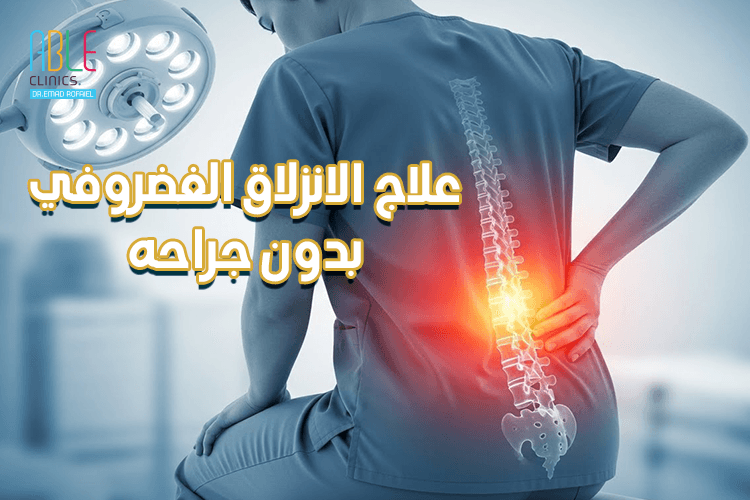
Treating a herniated disc is one of the most common questions among patients, especially with the widespread occurrence of back and leg pain caused by nerve compression. Although some people believe that surgery is the only solution, modern studies and clinical experience confirm that most cases of herniated discs can be treated without surgery—provided that the condition is accurately diagnosed and a gradual, well-structured treatment plan is followed.
When Can a Herniated Disc Be Treated Without Surgery?
A herniated disc can often be treated without surgery in the following cases:
Mild to moderate disc herniation with pain that can be controlled
No clear or progressive muscle weakness
Positive response to medication or physical therapy over several weeks
Absence of serious neurological warning signs
Ability to move without severe, constant pain
In such cases, non-surgical disc treatment methods are effective and may include modified rest, medications, epidural injections, physical therapy, and radiofrequency treatment when nerve pain persists.
Main Non-Surgical Treatment Options for a Herniated Disc
1. Medication Under Medical Supervision
This includes anti-inflammatory drugs, muscle relaxants, and nerve-supporting vitamins. These medications should only be taken after medical evaluation, especially for patients with stomach, kidney, or blood pressure conditions.
2. Epidural Injection
One of the most important non-surgical treatments for a herniated disc. It reduces inflammation directly around the affected nerve, leading to rapid pain relief and allowing the patient to begin rehabilitation.
3. Physical Therapy and Rehabilitation
This is the cornerstone of non-surgical treatment and includes specialized programs aimed at reducing disc pressure and improving spinal stability, such as:
McKenzie exercises
Core and trunk muscle strengthening
Improving sitting and sleeping posture
Manual therapy and stretching exercises
This phase helps prevent recurrence and restores long-term spinal stability.
4. Radiofrequency Ablation (RFA)
Used for persistent nerve pain that does not improve with physical therapy. It works by interrupting pain signals from the affected nerves and may provide relief lasting from six months up to two years.
5. Minimally Invasive Procedures
Such as laser disc decompression or disc aspiration. These procedures are an excellent alternative to surgery in cases of moderate disc herniation that do not respond to conservative treatment.
When Does the Pain Become Dangerous and Require Immediate Medical Attention?
Although non-surgical treatment is suitable for most patients, certain warning signs should never be ignored and require urgent medical evaluation:
Loss of bladder or bowel control
Sudden or worsening weakness in the foot (such as foot drop)
Severe pain that prevents sleep or completely restricts movement
The presence of any of these symptoms requires immediate medical attention, as delayed treatment may result in permanent nerve damage.
Are Herniated Disc Medications Safe?
Many patients begin taking medications as soon as pain starts, without consulting a doctor—this is a common and serious mistake.
In reality, any medication used to treat a herniated disc should only be taken under medical supervision. Many drugs, including anti-inflammatory medications, muscle relaxants, nerve medications, and corticosteroids, carry risks for patients with high blood pressure, diabetes, stomach issues, or kidney disease.
Unsupervised medication use may lead to:
Increased inflammation
Elevated blood pressure
Stomach problems
Fluid retention
Worsening neurological symptoms
Therefore, medical follow-up is essential before starting any medication.
When Is Non-Surgical Treatment Not Appropriate?
Some cases require prompt surgical intervention to protect the nerves, including:
Loss of bladder or bowel control
Progressive muscle weakness
Persistent pain that does not respond to treatment over a long period
A very large disc herniation compressing the spinal cord
Mechanical locking or instability of the spine
In these situations, minimally invasive endoscopic surgery is often a safe and advanced option, as it involves a small incision, reduces post-operative pain, allows same-day discharge in many cases, and preserves back tissues.
Conclusion
In general, most cases of herniated discs can be treated without surgery, especially mild to moderate cases that respond well to medication, injections, and physical therapy. However, cases associated with severe nerve compression or clear muscle weakness may require surgical or endoscopic intervention to protect the nerves and prevent long-term complications.