
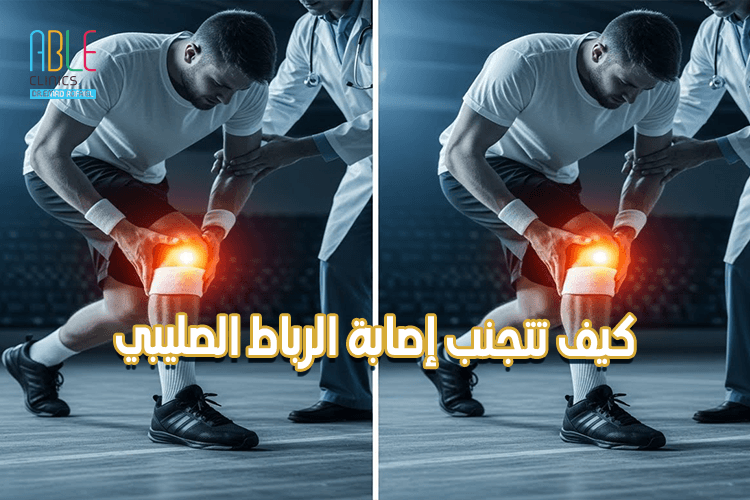
An anterior cruciate ligament (ACL) injury is a painful turning point in any young athlete's life, as it involves not only a long surgical recovery but also chronic pain and knee instability. Therefore, committing to prevention is not just an option but a necessity to safeguard one's athletic future.
1. Focus on Strengthening the Hamstring Muscles
An imbalance in strength between the front and back thigh muscles is a primary cause of knee weakness. The hamstring muscles serve as key stabilizers for the knee and help prevent slippage, thereby protecting the ACL.
Goal: Achieve a balance in strength between the two muscle groups to ensure joint stability during quick and dynamic movements.
2. Master Proper Jumping, Landing, and Stopping Techniques
Injuries often occur during non-contact movements. Neuromuscular training is essential to avoid improper knee loading:
Correct Technique: Train yourself to land by bending both knees and hips together to absorb the impact, while keeping the knee aligned with the foot (avoid inward collapse).
Stopping and Changing Direction: When stopping suddenly or changing direction, keep your body slightly lowered and distribute the weight evenly across both legs. Avoid stopping with one fully extended leg.
3. Gradual Training Load and Avoid Fatigue
Injuries often happen when the athlete is fatigued, as exhaustion reduces muscle response speed and the ability to stabilize the joint.
The 10% Rule: Do not increase the intensity, duration, or frequency of your weekly training by more than 10% to prevent tissue strain.
Rest as Part of Training: Ensure adequate rest periods to allow tissues to fully recover.
4. Dynamic Warm-Up Before Any Sports Activity
Warming up is not just a routine, but a crucial preparation for joints and ligaments. Dynamic warm-ups prepare muscles for high-intensity movement:
Goal: Raise the body temperature and activate neuromuscular pathways, making ligaments and muscles more prepared for quick response and injury prevention.
5. Pay Attention to Equipment and Flooring Details
Proper Footwear: Choose sports shoes specifically designed for your sport and suitable for the type of flooring to ensure optimal traction.
Avoid Excessive Cleats: Be cautious of overly long studs on artificial turf, as they reduce the foot’s ability to slide slightly during turns, putting excessive force directly on the knee joint.
How Do You Know an ACL Injury Has Occurred? (ACL Symptoms)
First: Immediate Acute Symptoms (At the Moment of Injury)
The Pop or Snap Sound:
Symptoms: Most individuals describe hearing a sharp and distinct "pop" or "crack" coming from deep within the knee.
Medical Indicator: Complete or near-complete rupture of the ACL fibers (ligament tear).
Sudden Sensation of Dislocation and Instability:
Symptoms: The injured person feels like the knee joint is "loose" or "slipped" unnaturally.
Medical Indicator: Loss of the ACL's primary function of stabilizing the joint.
Sharp and Intense Pain:
Symptoms: Immediate sharp, stabbing pain that prevents the athlete from continuing any activity.
Medical Indicator: Tear of the surrounding tissues and small blood vessels near the ligament.
Second: Subsequent Symptoms (During the First Few Hours and Days)
Rapid and Noticeable Swelling:
Symptoms: Swelling appears visibly and quickly within one to two hours after the injury.
Medical Indicator: Severe internal bleeding within the joint (Hemarthrosis).
Inability to Bear Weight or Walk Normally:
Symptoms: Standing on the injured leg becomes difficult or impossible.
Medical Indicator: Joint instability and weak knee function to support the body.
Loss of Range of Motion (Difficulty in Flexing/Extending the Knee):
Symptoms: Difficulty in fully bending or straightening the knee, with a sensation of "catching" during movement.
Medical Indicator: Accumulation of blood and fluids within the joint, preventing natural mechanical movement.
Third: Chronic Symptoms (If Left Untreated)
Frequent Instability (Giving Way):
Symptoms: A repeated feeling that the knee "betrays" the person or "wobbles" during simple movements like walking on uneven ground or turning.
Medical Indicator: Continued loss of the ACL's stabilizing function and increased stress on other tissues.
Increased Risk of Secondary Injuries and Joint Degeneration:
Symptoms: Frequent episodes of pain and swelling after minimal physical activity.
Medical Indicator: Damage to the meniscus and articular cartilage from repeated abnormal motion, potentially leading to early knee osteoarthritis.
Conclusion:
Preventing ACL injuries is a crucial element in maintaining sustained athletic performance and avoiding long-term injuries. Rather than relying on luck, it requires the application of well-planned prevention strategies, including proper training, nutrition, and movement techniques. By improving muscle balance, enhancing joint flexibility, and training the body on correct movement techniques, the risk of injury can be significantly reduced. In this way, athletes can ensure knee stability and achieve exceptional and sustained athletic performance over the years.